
IN-PERSON IN STUDIO CITY & ONLINE across CALIFORNIAWhen it's not just one person's problem. It's a family pattern.
Family therapy for households navigating ADHD, autism, anxiety, school stress, or the day-to-day friction that builds around them.


Licensed Educational Psychologist (LEP #4428)
20+ years working with kids, teens, and families
Whole-systems
approach

Studio City + telehealth
across California
One person gets the diagnosis. The whole family absorbs it.
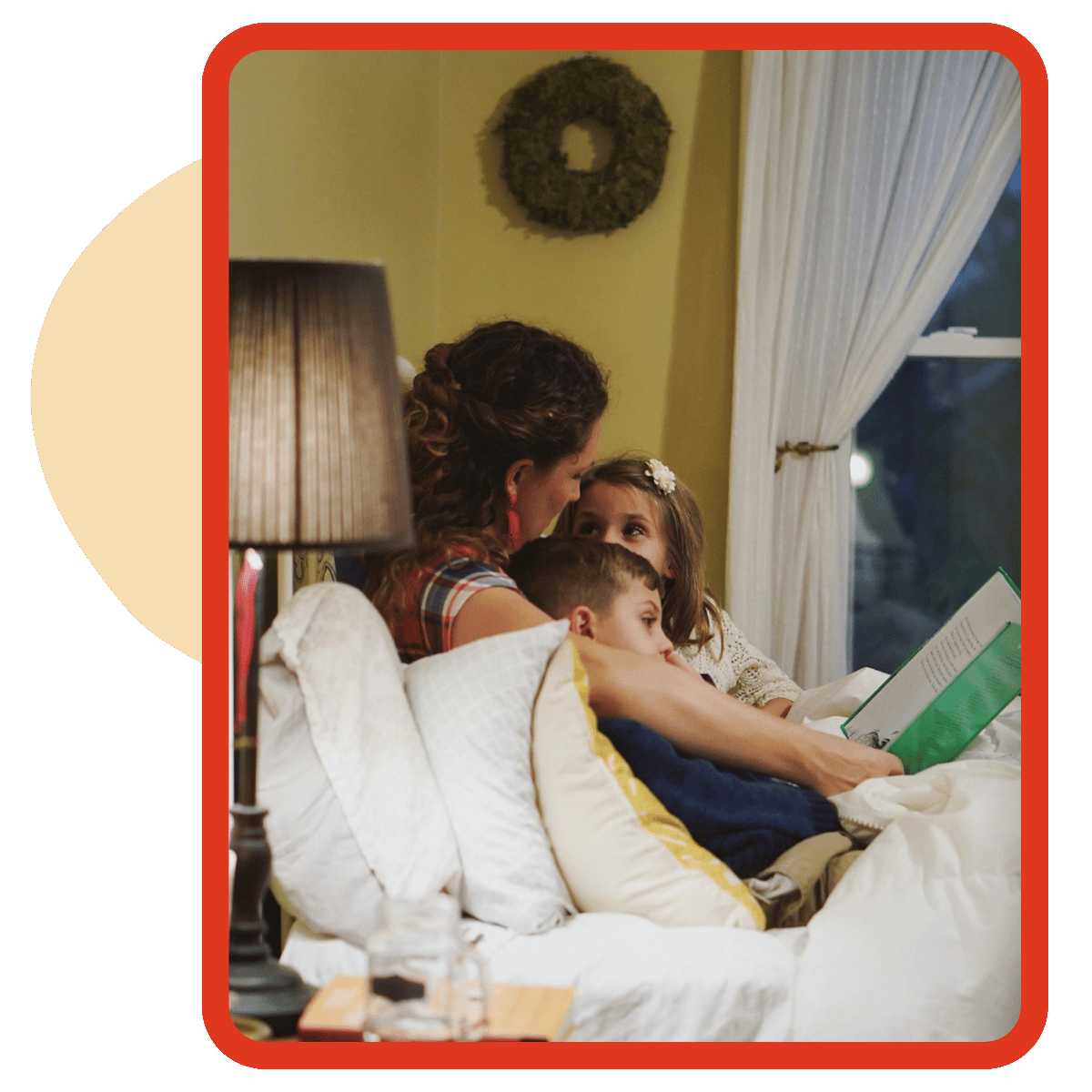
Maybe it's a sibling who's started acting out because all the attention goes to their brother's meltdowns. Maybe it's two parents who can't agree on how strict to be, and the disagreement has become its own fight. Maybe dinner has turned into a negotiation every single night. Maybe your teenager's anxiety has quietly reorganized the whole household around avoiding whatever sets it off.
This shows up differently depending on who's in the house. For families with younger kids, it often looks like constant conflict over routines and rules. For families with teens, it's more often silence, slammed doors, or a total breakdown in communication. For families with adult children still living at home, or adult siblings navigating a parent's diagnosis, it can look like old patterns nobody ever addressed, still running the show.
Individual therapy helps the person. It doesn't always touch the pattern everyone's caught in.

Family therapy tends to help when:
One family member's diagnosis (ADHD, autism, anxiety) has reshaped how everyone else operates
Siblings are resentful, anxious, or acting out in response to a brother or sister's needs
Parents disagree on approach, and the disagreement has become a recurring fight
Communication has broken down between a parent and a teen or adult child
A family is adjusting to a recent diagnosis and doesn't know how to talk about it
Individual therapy is helping one person, but the household dynamic hasn't shifted

Family sessions, built around your actual family

Family therapy here isn't one format. Depending on what's going on, sessions might include everyone in the house, a parent subsystem, a sibling pair, or a parent and one teen working through a specific rupture. I draw on family systems thinking and IFS, looking at the roles people have settled into (the identified problem, the peacekeeper, the one who checks out) and how those roles formed, usually for good reasons that stopped working.
If one or more family members are already working with me individually, whether in therapy, EF coaching, or SPACE, family sessions are coordinated with that work instead of running as a separate, disconnected track.

What changes
Family therapy doesn't erase differences in parenting style or turn a teenager back into an open book overnight. What it tends to build is a shared language: a way to name the pattern everyone's stuck in without anyone being cast as the problem. Parents leave arguing less about the same three things. Siblings get acknowledged instead of overlooked. Teens and adult children get a version of family life that doesn't require walking on eggshells.
For families managing a diagnosis, the biggest shift is often relief: everyone finally has the same information and the same plan, instead of three different versions of what's going on.
How It Works
-

Free 20-minute consultation
We talk through what's happening in the household and who should be involved.
-

Intake assessment
Usually starts with parents or the adults in the house, to map the full picture before deciding who joins ongoing sessions.
-

Ongoing Sessions
A mix of full-family, parent, and individual sessions, adjusted as the work progresses and coordinated with any other services already in place.
Answers to Your Questions
-
No. Some sessions include everyone, others are just the parents, or a parent and one child. Who's in the room depends on what we're working on that week.
-
Individual therapy focuses on one person's internal experience. Family therapy focuses on the patterns between people: how conflict escalates, who takes on which role, how communication breaks down. Many families do both at once, and I coordinate across them when I'm the one providing both.
-
Yes, that's actually one of the more common reasons families reach out. A diagnosis in one family member changes the whole household, even when only one person is the one being treated.
-
Yes. Family patterns don't expire when a kid turns 18. I work with families across a range of ages, including households with adult children or adult siblings navigating a shared history
-
That disagreement is often part of the work itself, not a barrier to starting it. Getting both parents or caregivers aligned, or at least communicating clearly about where you differ, is usually one of the first goals.
-
I'm out-of-network. I provide a Superbill after each session that you can submit to your insurance for partial reimbursement. Coverage for family sessions specifically varies more than individual therapy, so it's worth a call to your insurance to confirm your benefit.
Not sure who should be in the room?
That's what the first call is for. Twenty minutes, no commitment. We'll figure out together what family therapy could look like for your household.